

Signal.Response.Balance. — Dr. Noushin Milanchian
Internal Medicine Specialist, Subspecialist in Endocrinology Tabriz
For thyroid disease, diabetes, weight, hormones and bones, with clear explanations and regular follow-up.
Understand the number, then plan.
Dr. Noushin Milanchian is an internal medicine specialist who works in endocrinology. This site is written for people who arrive with a single lab number, such as TSH, fasting glucose, HbA1c or vitamin D, and do not know what it means. Here you can read when to see an endocrinologist, how to prepare for blood tests, what to do about glucose and insulin at home and which signs are urgent. Most hormone conditions are long-term, and the usual aim is steady control with regular follow-up.
More about the doctorHormone conditions, in plain language.
Every hormone condition has its own story. These pages explain what the condition is, how it is usually investigated and how treatment generally goes. Your diagnosis and treatment plan are decided by the doctor after an examination.
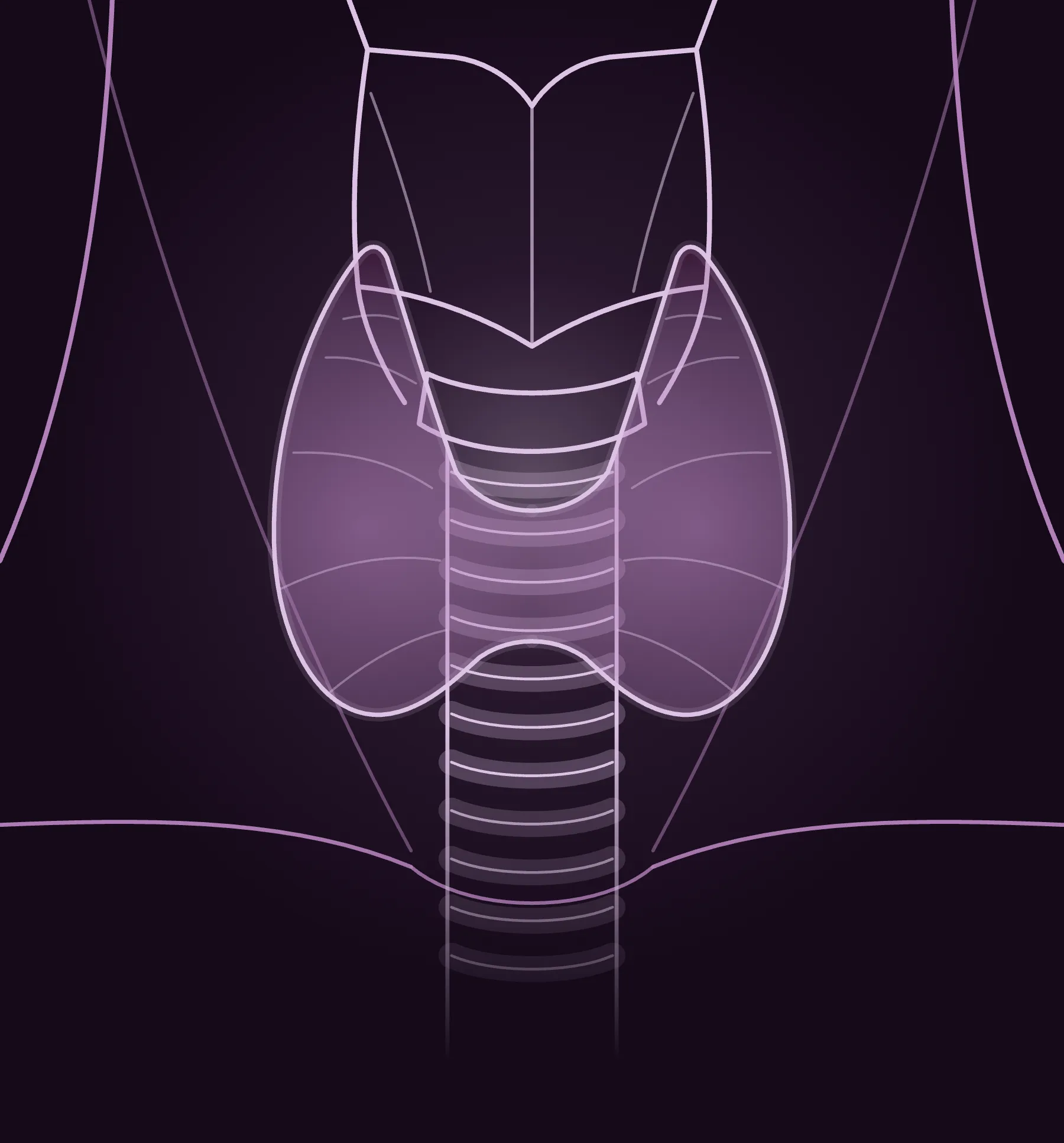
Underactive and Overactive Thyroid
Underactive and overactive thyroid are two forms of a problem in the same butterfly-shaped gland in the neck. This page explains what the symptoms are, who should be tested, how the evaluation goes, what treatment looks like in general, and what should not be changed without a doctor.
Read moreDiabetes and Prediabetes
Diabetes means blood sugar is higher than it should be. This page explains how the types of diabetes differ, what the symptoms and diagnostic tests are, what treatment looks like in general, what prediabetes means, and when to get urgent help. The goal of treatment is to control blood sugar and prevent complications.
Read moreObesity and Metabolic Syndrome
Overweight and obesity are chronic conditions with many causes, not a lack of willpower. This page explains what makes weight loss hard, when the glands should be checked, what metabolic syndrome means, what options treatment generally has, and why we do not promise results from any method.
Read moreThyroid Nodules and Thyroid Cancer
A thyroid nodule is a bump or lump in the thyroid itself, and most of the time it is benign. This page explains how it is found, what ultrasound and needle biopsy do, how follow-up works, what the warning signs are, and that the decision about follow-up is up to the doctor.
Read morePolycystic Ovary Syndrome and Hormonal Disorders
Polycystic ovary syndrome (PCOS) is one of the most common causes of irregular periods and excess hair. This page explains what the symptoms are, what the doctor checks, what treatment generally looks like, and which other hormonal disorders look similar.
Read moreOsteoporosis, Calcium and the Parathyroid
Osteoporosis progresses silently, and sometimes the first sign is a fracture from a minor knock. This page explains who is at risk, what a bone density scan shows, what the parathyroid glands and blood calcium do, and what treatment generally looks like.
Read morePituitary and Adrenal
The pituitary and adrenal glands are among the command centers for the body's hormones. This page explains what pituitary tumors and cortisol conditions (Addison's and Cushing's) look like, how they are evaluated, what treatment generally involves, and why cortisone pills should never be stopped suddenly.
Read more
From your history to following up the plan
Most endocrine conditions are not settled in one visit, and the plan is adjusted over time. At each step you know what comes next.
- Step 1 of 5.
History and examination
The doctor asks about your symptoms, weight changes, family history and medicines, and examines your neck and body. Bring your medicine list and earlier results.
- Step 2 of 5.
The tests and imaging you need
If needed, blood tests, an ultrasound or other imaging are requested. No single number is a diagnosis: it is read together with your history and examination.
- Step 3 of 5.
Diagnosis and treatment plan
The doctor explains the diagnosis and the options in plain words, and you make the plan together. In long-term endocrine conditions the aim is to keep the disease under control and prevent complications.
- Step 4 of 5.
Learning about medicine, food and monitoring
You learn how to take your medicine, what to eat, and how to keep an eye on your glucose or symptoms. Do not stop or lower a medicine on your own when you feel better.
- Step 5 of 5.
Follow-up and adjusting the plan
The plan is adjusted at regular visits, based on your tests and how you are. Get in touch sooner if a new symptom appears or you feel worse.
You are not alone on this path.
Endocrine care runs on regular tests. Sometimes you need blood sampling at home, an ultrasound or bone density scan, a specialty medicine or an appointment with another doctor. The support team coordinates these so that you and your family spend less time chasing them.
Medical diagnostic laboratory
Quick appointments and results, with special support services, blood sampling at home and reminders for periodic tests.
Medical imaging centers and ultrasound
Quick appointments and results for CT, MRI, specialist ultrasound and PET scan. Radiography, mammography and bone density (densitometry) also with quick appointments.
Pharmacy and specialty medicines
If you have a particular pharmacy in mind, you write its name on the form.
Fast referral to specialists and sub-specialists
You write the name of the doctor or the specialty you need on the form.
Rehabilitation and wellbeing
Quick appointments and referrals to rehabilitation and health specialists, arranged by the support team.
Specialist treatment and rehabilitation at home
You write the name or specialty of the doctor you want for a home visit on the form.
Services marked "Free" on the support form are provided at no cost.
What is worrying you?
Tap what you are facing to reach the matching page. This list is not a diagnosis; it only points you to the right page.
- An abnormal TSH
- High fasting blood sugar
- Tiredness and weight change
- A lump in the neck
- Irregular periods and extra hair
- Low vitamin D
- A fracture from a minor fall
- Pregnancy with thyroid disease or diabetes
If your blood sugar is very low and you are confused or faint, if you have diabetes with nausea, vomiting and fast breathing, severe weakness with a sudden drop in blood pressure, or a pounding heart with a high fever in thyroid disease, do not wait for an appointment. In an emergency, call 115 (Iran's emergency number). When should I call right away?
Simple answers to the first questions.
My TSH is a little high; does that mean I have an underactive thyroid?
A high TSH does not always mean an underactive thyroid. Illness, medicines, pregnancy and the time of the blood draw all affect it, and sometimes the test has to be repeated. The doctor reads the number together with your symptoms, an examination and other tests. Bring your results to the visit.
Do I have to fast for blood tests?
Fasting is needed for fasting glucose and some other tests, but not every hormone test needs it. Do not stop any medicine on your own, and ask the doctor or the lab when to take your thyroid pill before the test. The guide on preparing for blood tests explains more.
Does prediabetes mean I will definitely get diabetes?
No. Prediabetes means blood sugar is above the normal range but has not reached diabetes. In many people, lifestyle changes and regular follow-up can improve it, but the result is not the same for everyone, and the doctor decides the follow-up.
Is insulin addictive?
No. Insulin is a hormone the body needs, and it is not addictive. In type 1 diabetes the body makes no insulin, and stopping it is dangerous. In type 2, when the doctor judges that insulin is needed, it is to control blood sugar and is not a sign that you failed. Do not stop any medicine without your doctor.
Does a thyroid nodule mean cancer?
Not necessarily. Most thyroid nodules are benign. Size, appearance on ultrasound and symptoms matter, and the doctor decides whether a nodule only needs follow-up or further tests. Bring your ultrasound report.
What should I bring to the first visit?
Earlier test results and ultrasound reports, a list of all your medicines and supplements, a home glucose log if you keep one, and a short note on when the symptoms began and any diabetes or thyroid disease in the family. If something is missing, you can still come.
How do I get an appointment?
Through the booking page, or by calling the support number. If no online time is open, you leave your number and the support team calls you to arrange the visit.
Do you work with insurance?
The list of insurers will be announced once the doctor confirms it.
Do you offer online follow-up?
Details will be announced once the doctor confirms them.
These answers are general and do not replace your doctor's advice for your situation.
The first step, a calm conversation.
Send a request from the booking page or call support. If no online time is open, the support team calls you and arranges the visit.
Support number